Pencil sketch pet portrait
To make a pencil sketch pet portrait, upload one clear photo of your pet and choose the Pencil sketch style. Then the painter redraws your pet in graphite on cream paper. Fine hatching follows the fur, darker pencil marks the eyes and nose, and loose lines fade out at the chest.
By The Easelpaw team (Product and testing). Last updated .
1. Your pet photo
JPG, PNG or WebP up to 12 MB
One pet, face toward the camera, good light.
We delete your photos as soon as the picture is made. Only upload photos of yourself or of people who agreed to it.
How to make a pencil sketch pet portrait, step by step
- First, choose a sharp photo with clear light and shade on the face.
- Then upload it as a JPG, PNG or WebP, up to 12 MB.
- Next, pick Pencil sketch from the ten styles.
- After that, compare the free preview with your photo.
- Finally, use one credit for the clean HD file and print it on matte paper.
The first 2 previews each day are free. After that, see the pricing page for packs and plans, or read how we test the tool.
Pencil sketch pet portrait tested with a real photo
We sent our own test photo through the same style prompt this page uses. So compare the photo with the portrait that came back, and judge the likeness yourself.
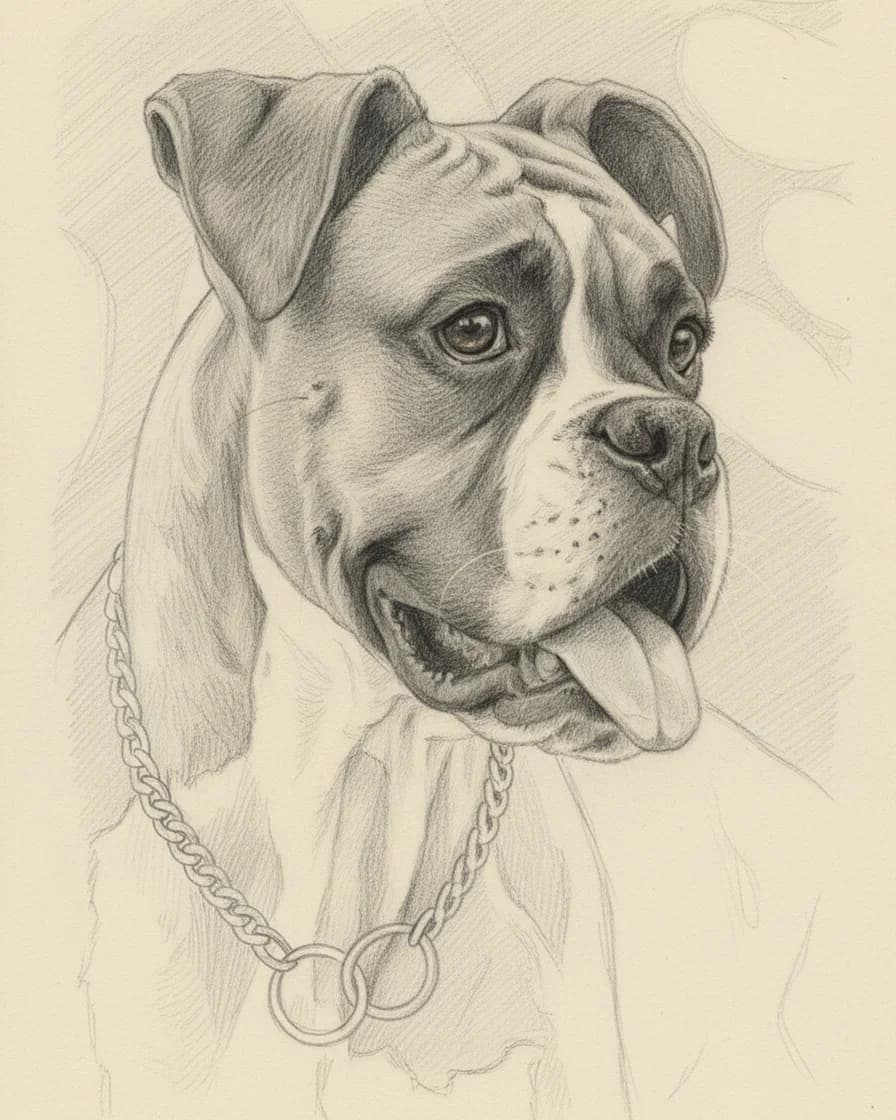
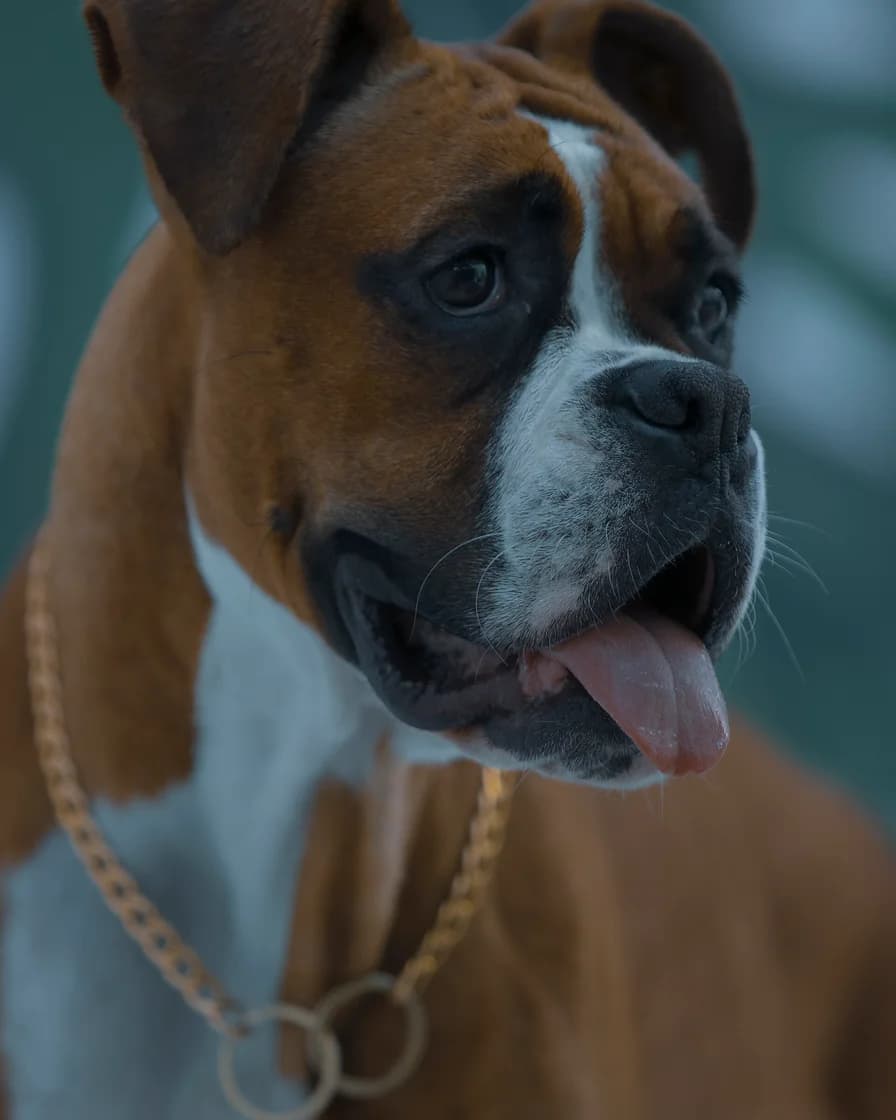
- Test photo
- Boxer dog photo, 1920 x 2880 px, 584 KB JPG
- Result
- Pencil sketch portrait
- HD file
- 2048 x 2560 px JPG
- Print size at 256 dpi
- 8 x 10 in
- Free preview
- 1024 x 1280 px, watermarked
- Made by
- gemini-2.5-flash-image
- Style prompt
- 86 words
- HD file size
- 1,189 KB
How we test: every style gets the same two photos, and we compare each portrait with its photo by hand. More on the about page.
What the pencil sketch pet portrait style does to fur and eyes
This style removes all color. So the picture depends on light, shadow and line alone. Fine hatching follows the direction of the fur, which makes a short coat look sleek and a long coat look soft.
The eyes and the nose get the darkest, softest pencil. As a result, they pull your gaze first, just like in a classic drawing. Toward the chest, the lines turn loose and unfinished, and the cream paper shows through.
Photos that suit a sketch
Without color, contrast carries the likeness. Therefore, pick a photo with clear light and shade on the face. Side light from a window works well, because it shapes the muzzle and the brow.
Sharp focus matters more here than in any other style. Hatching follows the fur, so the model needs to see which way the fur lies. A blurry coat gives it nothing to follow.
Also think about what color tells you in the photo. For example, a ginger cat and a gray cat can look alike in graphite. Markings with strong contrast, such as a white blaze or a black mask, survive best. In contrast, a rust patch on a brown coat may fade.
Why a pencil sketch pet portrait suits a memorial
Graphite is quiet. So many owners choose it to remember a pet that has passed away. The unfinished edge and the cream paper feel gentle, and nothing shouts.
It also sits well next to family photos, because no loud color clashes with the room. A thin black or natural wood frame with a white mat is a safe choice.
How to print a sketch
The HD file measures 2048 x 2560 px, so it prints at 8 x 10 inches at 256 dpi. Fine pencil lines show softness sooner than bold color does. Therefore, 8 x 10 is the best size, while 11 x 14 and 16 x 20 inches look softer up close.
Choose matte or lightly textured paper, since gloss makes a drawing look like a photo. Then ask the lab to keep the cream tone and not to correct it to white. We send a digital file only, so any print shop works.
When a pencil sketch pet portrait is not the right choice
Some pets live through their color. A calico, a tortoiseshell or a blue merle loses a lot in gray. In that case, Watercolor or Soft pastel keeps the coat and stays gentle.
Also, this is not a drawing by hand. An image model makes it, so no pencil touches paper. If you want a real graphite original, hire an artist instead. Finally, the model can change small details, such as the whisker count, so check the free preview first.
Pencil sketch style facts
| Part of the picture | What you get |
|---|---|
| Medium | Graphite pencil |
| Paper | Cream |
| Color | None |
| Fur | Fine hatching that follows the coat |
| Eyes and nose | Darker, softer pencil |
| Chest | Loose, unfinished lines |
| Shape | Vertical 4:5 |
| Free preview | 1024 x 1280 px WebP with a watermark |
| HD file | 2048 x 2560 px JPG, no watermark |
| Print size | 8 x 10 inches at 256 dpi |
Pencil sketch pet portrait FAQ
How do I turn a pet photo into a pencil sketch?
Upload one clear photo and choose the Pencil sketch style. Then the painter redraws it in graphite on cream paper. You see a free preview before you pay.
Is the pencil sketch pet portrait free?
You can try it for free. Two free previews a day need no account and no card, and each one carries a watermark. After that, one credit returns the clean HD file.
Does an artist draw the sketch by hand?
No. An image model redraws your photo from a written style prompt. So you get a digital file, not a sheet of paper with graphite on it.
Does a black pet work in a pencil sketch?
Yes, if the photo shows detail in the coat. Use bright, soft light so the fur does not turn into one dark shape. Then the hatching has something to follow.
Can I get the sketch in color?
No, because the Pencil sketch prompt asks for no color. However, Watercolor and Soft pastel are two gentle styles that keep the coat colors.
What size can I print it?
The HD file prints at 8 x 10 inches at 256 dpi, and that size looks best. Larger prints, such as 11 x 14 inches, also work but look softer up close.
Will the sketch look like my pet?
That is the goal. The style prompt tells the model to keep the breed, face shape, markings and ear shape. Still, small details can change, so judge the free preview first.